
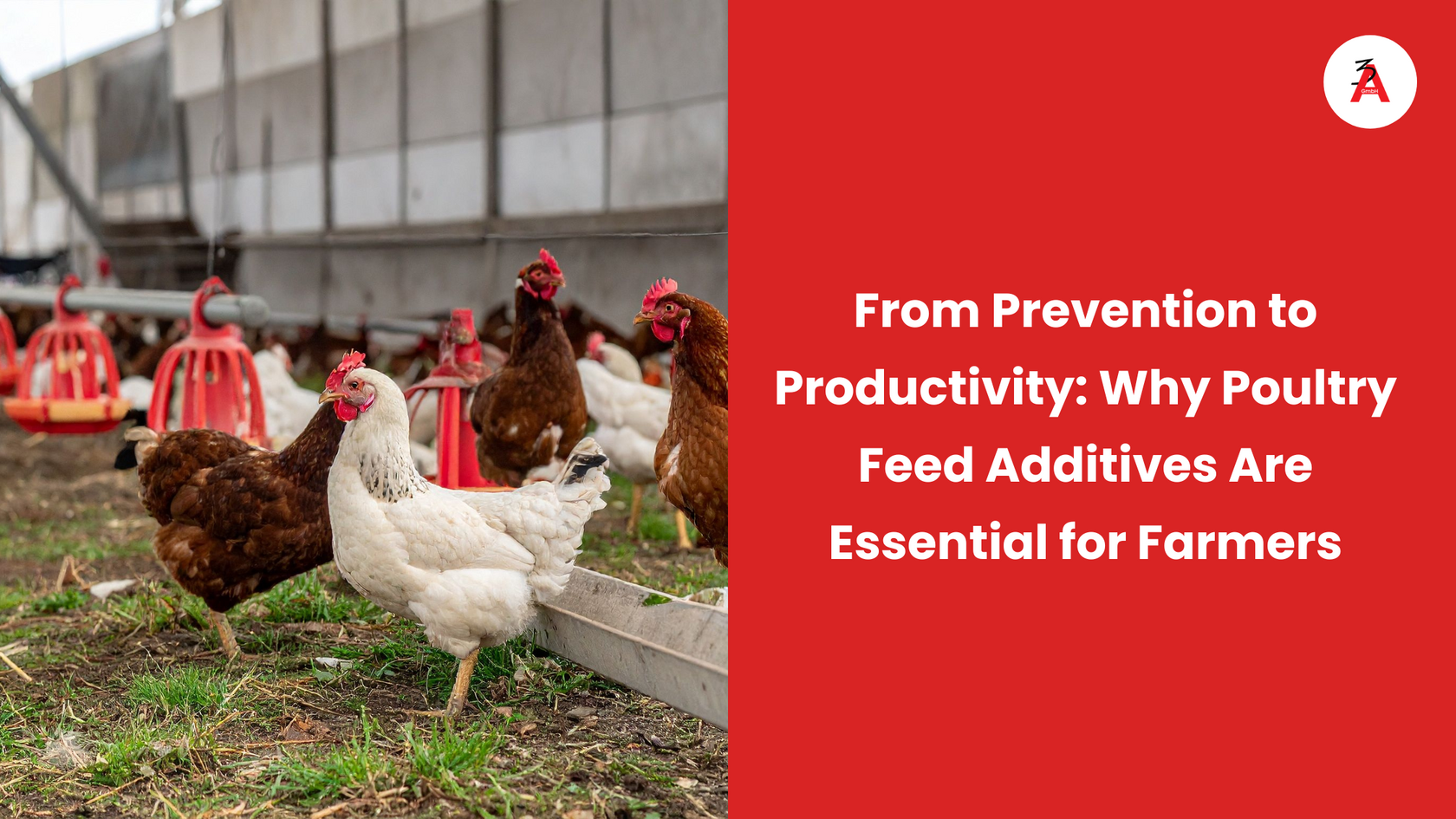
Poultry farming has evolved significantly over the last few decades. Today, farmers face the dual challenge of maintaining high productivity while ensuring animal health and food safety. In this landscape, poultry feed additives have become an indispensable tool for optimizing nutrition, enhancing immunity, and preventing diseases naturally. By incorporating these additives into daily feeding routines, farmers can ensure healthier flocks, higher yields, and more sustainable poultry production.
Understanding the Role of Poultry Feed Additives
Poultry feed additives are specialized ingredients added to the diet of chickens, ducks, or other poultry species to improve performance and overall health. These additives can include probiotics, prebiotics, enzymes, organic acids, vitamins, minerals, and herbal extracts. Unlike conventional antibiotics or synthetic growth promoters, modern feed additives focus on enhancing the animal’s natural defenses, digestion, and nutrient absorption.
The use of poultry feed additives addresses two major challenges in poultry farming: disease prevention and nutritional efficiency. Healthy birds are more productive, show better growth rates, and lay more eggs, while improved nutrient utilization reduces feed costs and waste.
Agrovet Animal Health Austria: Pioneering Effective Poultry Nutrition
At Agrovet Animal Health Austria, science and sustainability converge to create innovative feed solutions for poultry. With a strong commitment to preventive care, we provide products like Ecopol, designed to improve gut health, enhance immunity, and support overall growth in poultry. As one of the leading providers of poultry feed additives in Europe, our focus is on solutions that reduce dependency on antibiotics while maintaining peak performance.
By prioritizing natural, science-backed additives, we help farmers address critical health challenges such as coccidiosis, digestive disorders, and reduced growth due to stress or environmental changes. This preventive approach ensures that flocks remain healthy throughout their lifecycle.
Key Benefits of Poultry Feed Additives
Enhanced Disease Prevention
One of the most significant advantages of poultry feed additives is disease prevention. Birds are prone to infections like coccidiosis and bacterial overgrowth, which can reduce growth rates and egg production. Feed additives containing probiotics, organic acids, and natural plant extracts strengthen the gut barrier, inhibit harmful pathogens, and enhance immune function. This reduces the need for antibiotics, promoting healthier, safer poultry products.
One of the most significant advantages of poultry feed additives is disease prevention. Birds are prone to infections like coccidiosis and bacterial overgrowth, which can reduce growth rates and egg production. Feed additives containing probiotics, organic acids, and natural plant extracts strengthen the gut barrier, inhibit harmful pathogens, and enhance immune function. This reduces the need for antibiotics, promoting healthier, safer poultry products.
Improved Digestive Efficiency
Proper nutrient absorption is crucial for growth and productivity. Feed additives such as enzymes and probiotics improve feed digestibility, ensuring that birds extract maximum nutrition from their diet. Improved digestion supports faster growth, better feed conversion ratios (FCR), and lower feed costs, which are essential for economic sustainability.
Boosted Immunity and Stress Resilience
Poultry often face environmental stressors, such as heat, overcrowding, or vaccination schedules, which can weaken their immunity. Poultry feed additives rich in vitamins, minerals, and natural compounds help birds resist stress-related illnesses, maintain performance, and recover faster from challenges. Healthier birds are not only more productive but also less likely to require expensive treatments.
Optimized Growth and Production
Balanced nutrition through poultry feed additives ensures that birds achieve their genetic potential for growth and egg production. Products like Ecopol provide essential nutrients that support skeletal development, muscle growth, and reproductive performance, contributing to higher profitability for farmers.
Reduction of Environmental Impact
Efficient nutrient utilization reduces waste output, including nitrogen and phosphorus, which can harm the environment. By improving feed conversion, poultry feed additives contribute to more sustainable and eco-friendly farming practices, aligning with global goals for responsible agriculture.
Proper nutrient absorption is crucial for growth and productivity. Feed additives such as enzymes and probiotics improve feed digestibility, ensuring that birds extract maximum nutrition from their diet. Improved digestion supports faster growth, better feed conversion ratios (FCR), and lower feed costs, which are essential for economic sustainability.
Boosted Immunity and Stress Resilience
Poultry often face environmental stressors, such as heat, overcrowding, or vaccination schedules, which can weaken their immunity. Poultry feed additives rich in vitamins, minerals, and natural compounds help birds resist stress-related illnesses, maintain performance, and recover faster from challenges. Healthier birds are not only more productive but also less likely to require expensive treatments.
Optimized Growth and Production
Balanced nutrition through poultry feed additives ensures that birds achieve their genetic potential for growth and egg production. Products like Ecopol provide essential nutrients that support skeletal development, muscle growth, and reproductive performance, contributing to higher profitability for farmers.
Reduction of Environmental Impact
Efficient nutrient utilization reduces waste output, including nitrogen and phosphorus, which can harm the environment. By improving feed conversion, poultry feed additives contribute to more sustainable and eco-friendly farming practices, aligning with global goals for responsible agriculture.
Economic Advantages of Using Poultry Feed Additives
In addition to health benefits, poultry feed additives offer significant economic advantages:
- Lower Veterinary Costs: By reducing disease incidence, farmers spend less on medications and treatments.
- Reduced Feed Costs: Improved nutrient absorption and feed efficiency lower the overall cost of production.
- Higher Yields: Healthier, stress-resistant birds produce more meat and eggs, enhancing profitability.
- Sustainable Practices: Efficient feeding reduces environmental impact, meeting consumer demand for responsibly produced poultry products.
Real-World Impact
Farmers using Agrovet’s poultry feed additives report noticeable improvements in flock performance. Healthier birds experience fewer disease outbreaks, better weight gain, and improved egg production. This proactive approach not only increases profitability but also builds consumer confidence in antibiotic-free and high-quality poultry products.
By supporting natural immunity and digestive health, Agrovet enables farmers to achieve sustainable growth while reducing reliance on synthetic treatments. The integration of these additives into everyday feeding practices represents a shift towards smarter, more responsible poultry farming.
Conclusion
The modern poultry industry demands solutions that balance productivity, animal welfare, and sustainability. Poultry feed additives play a critical role in achieving these objectives by enhancing immunity, improving nutrient utilization, and preventing common diseases.
At Agrovet Animal Health Austria, innovation, science, and farmer-focused solutions converge to deliver products like Ecopol, which not only support flock health but also maximize productivity and economic returns. Farmers who embrace these natural, preventive strategies can reduce feed costs, minimize disease outbreaks, and ensure high-quality poultry products for consumers.
From disease prevention to improved productivity, the use of poultry feed additives is no longer optional — it is essential for modern, sustainable, and profitable poultry farming. With Agrovet’s expertise and innovative formulations, the future of poultry farming looks healthier, more productive, and environmentally responsible.