
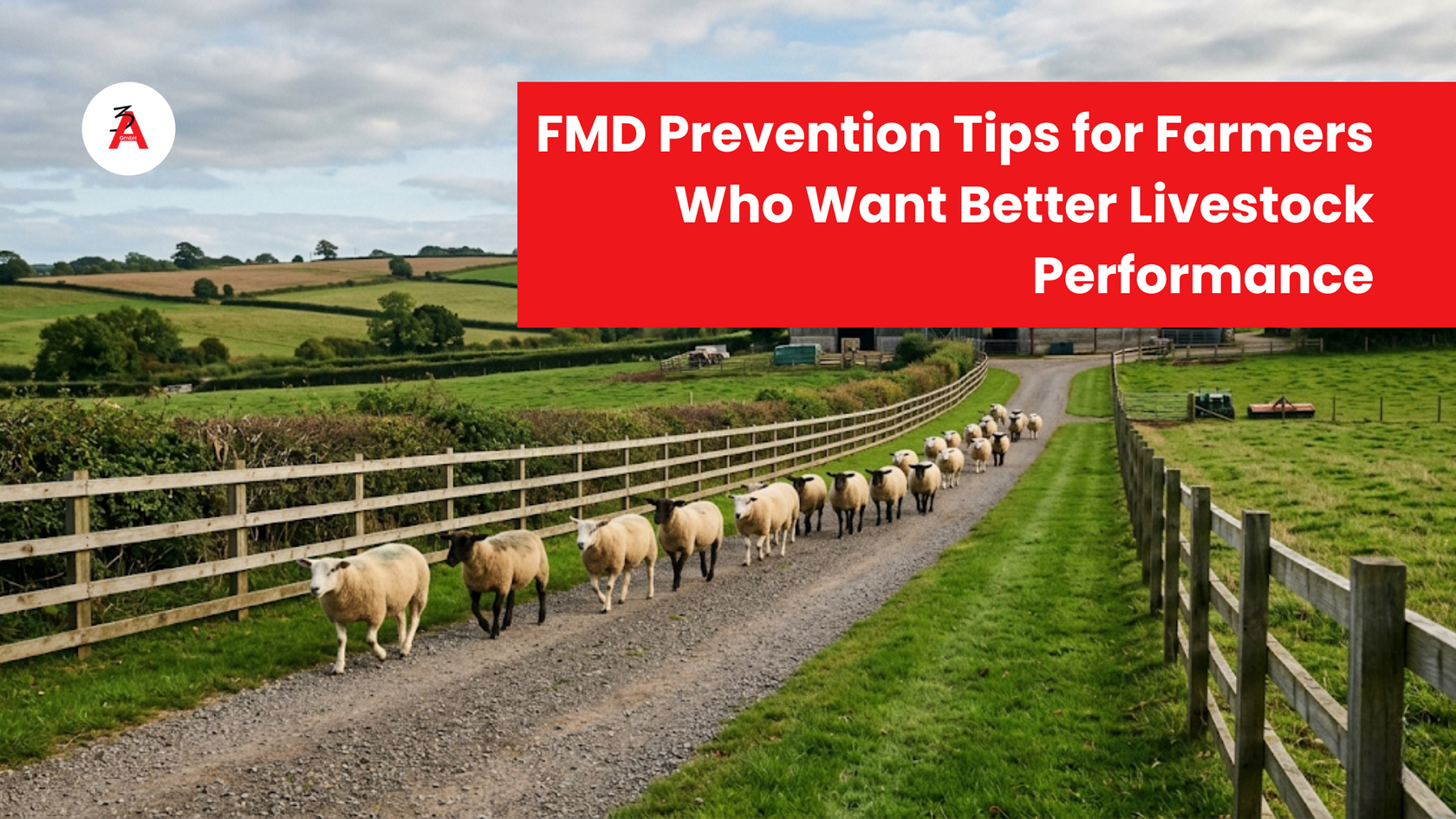
Foot-and-Mouth Disease (FMD) is one of the most contagious viral diseases affecting livestock, with serious consequences for productivity, animal health, and farm profitability. It spreads rapidly among cattle, sheep, goats, and pigs, leading to reduced milk yield, weight loss, and in severe cases, long-term production losses. For modern livestock producers, preventing FMD is not just about disease control—it is essential for maintaining consistent performance and protecting farm income.
At Agrovet Animal Health Austria, we believe that effective prevention begins with a proactive and integrated approach that combines biosecurity, nutrition, and herd management.
Understanding the Impact of FMD on Livestock Performance
FMD primarily affects cloven-hoofed animals and is characterized by fever, blisters in the mouth and feet, lameness, and reduced appetite. Even after recovery, animals may not return to their previous productivity levels.
The economic impact of FMD includes:
- Sharp decline in milk production
- Loss of body weight and growth performance
- Increased veterinary and management costs
- Trade restrictions and market losses
This makes prevention the most effective and cost-efficient strategy for farmers.
Strengthening Farm Biosecurity
Biosecurity is the first line of defense against FMD. Since the virus spreads through direct contact, contaminated equipment, feed, and even human movement, strict control measures are essential.
Key biosecurity practices include:
- Limiting access to the farm and controlling visitor entry
- Disinfecting vehicles, equipment, and footwear
- Isolating new or sick animals before introducing them to the herd
- Maintaining clean housing and feeding areas
A strong biosecurity system significantly reduces the risk of disease introduction and spread.
At Agrovet Animal Health Austria, we emphasize that prevention always starts with disciplined farm management practices.
The Role of Nutrition in Disease Prevention
While biosecurity helps keep the virus out, nutrition plays a crucial role in strengthening the animal’s ability to resist infections. A well-nourished animal has a stronger immune system and is better equipped to handle disease challenges.
Balanced feeding programs that include high-quality nutrients and functional additives are essential for FMD prevention. Proper nutrition supports immune function, reduces stress, and enhances overall resilience.
For ruminants, our specialized solution VF Care helps improve rumen health and nutrient utilization, ensuring that animals receive the maximum benefit from their diet. At Agrovet Animal Health Austria, we focus on preventive nutrition as a key pillar of disease control.
Vaccination and Monitoring
Vaccination remains an important tool in managing FMD, especially in regions where the disease is endemic. Following recommended vaccination schedules helps reduce the severity of outbreaks and protects herd immunity.
However, vaccination alone is not sufficient. Regular monitoring of animal health is equally important. Early detection of symptoms allows for quick action, minimizing the spread of infection.
Farmers should remain vigilant for signs such as:
- Sudden drop in milk yield
- Lameness or difficulty walking
- Excessive salivation
- Blisters in the mouth or on the feet
Prompt response to these symptoms can prevent large-scale outbreaks.
Reducing Stress to Improve Immunity
Stress is a major factor that weakens the immune system and increases susceptibility to diseases like FMD. Poor housing conditions, overcrowding, transportation, and sudden dietary changes can all contribute to stress.
Minimizing stress through proper management practices helps maintain strong immunity and reduces the risk of infection. Adequate ventilation, clean water supply, and consistent feeding routines are essential.
At Agrovet Animal Health Austria, we promote feeding and management strategies that support animal comfort and resilience.
Maintaining Hygiene and Sanitation
Cleanliness is critical in preventing the spread of FMD. Regular cleaning and disinfection of animal housing, feeding equipment, and water sources help eliminate potential contamination.
Proper manure management and waste disposal also play a key role in maintaining a hygienic environment. Farms that prioritize sanitation are better equipped to prevent disease outbreaks and maintain consistent performance.
The Importance of Early Isolation
If an animal shows signs of FMD, immediate isolation is essential to prevent transmission to the rest of the herd. Separate housing for sick animals, along with strict handling protocols, can significantly reduce the spread.
Farmers should also restrict movement of animals, feed, and equipment until the situation is under control. Quick and decisive action is crucial in managing outbreaks effectively.
Long-Term Benefits of Preventive Strategies
Investing in FMD prevention offers long-term benefits beyond disease control. Healthy animals are more productive, require fewer medical interventions, and deliver better economic returns.
By implementing preventive strategies, farmers can achieve:
- Stable milk production and growth rates
- Reduced veterinary costs
- Improved animal welfare
- Enhanced market access and profitability
At Agrovet Animal Health Austria, we support farmers in building resilient systems that prioritize prevention and performance.
A Holistic Approach to FMD Prevention
Effective control of FMD requires a comprehensive approach that integrates multiple strategies. No single measure is sufficient on its own.
A successful prevention plan includes:
- Strong biosecurity measures
- Balanced nutrition and immune support
- Regular vaccination and monitoring
- Stress reduction and proper management
- Strict hygiene and sanitation practices
By combining these elements, farmers can significantly reduce the risk of outbreaks and maintain consistent livestock performance.
Building a Healthier and More Productive Future
In today’s livestock industry, prevention is the key to sustainability and profitability. Diseases like FMD can disrupt production and cause long-term losses, but with the right strategies, they can be effectively controlled.
At Agrovet Animal Health Austria, we are committed to helping farmers adopt proactive solutions that protect animal health and improve productivity. Through advanced nutritional support and practical expertise, we enable producers to build stronger, more resilient herds.
Preventing FMD is not just about avoiding losses—it is about creating a stable and efficient production system that delivers consistent results. With the right approach, farmers can safeguard their livestock, improve performance, and secure long-term success.